




March 2026 saw a surge in antibody dealmaking, focusing on T-cell engagers and autoimmune applications, alongside advancements in targeted protein degradation.
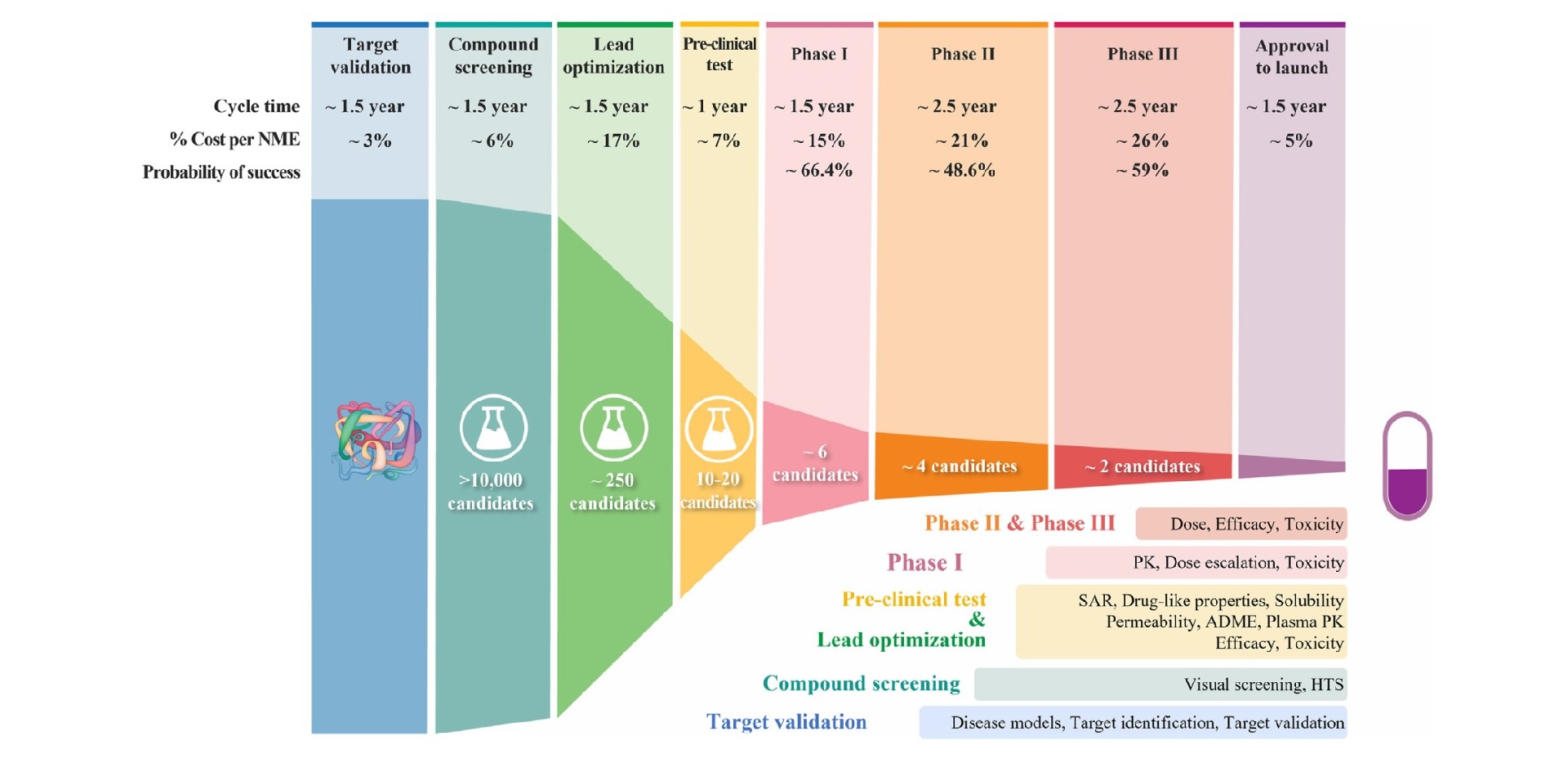
Clinical drug development remains associated with a high failure rate, primarily to lack of efficacy, unmanageable toxicity, and suboptimal drug-like properties. These data indicate that, despite extensive optimization workflows, current strategies do not fully capture all determinants of clinical success.
Read on for the key trends of the NextGen Biomed 2026 conference held in London from March 24-25, featuring discussions across the entire value chain, from antibody engineering advancements to sustainable practices in TIDES chemistry!
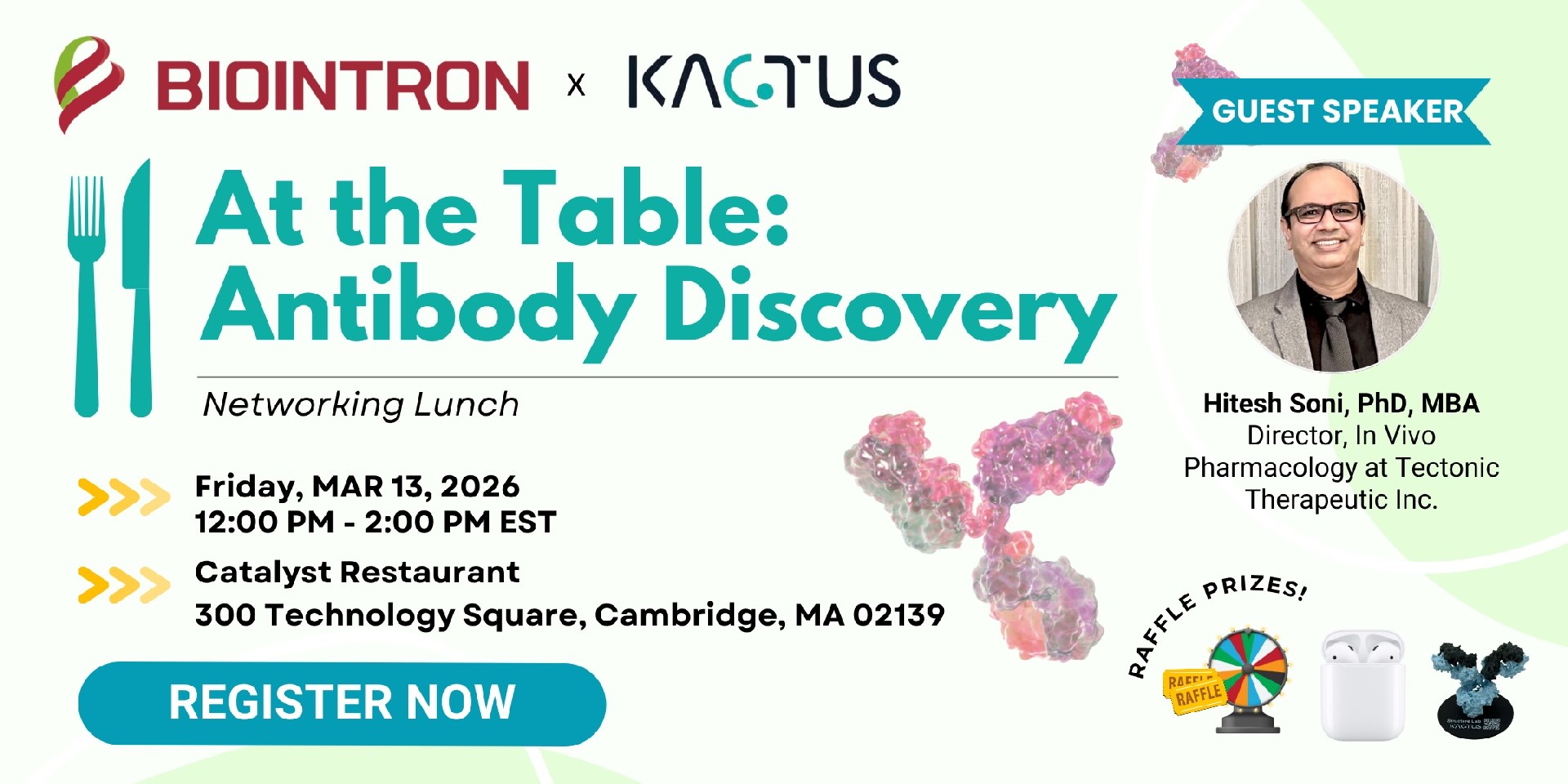
Biointron’s Networking Lunch (At the Table: Antibody Discovery) was held at Catalyst Restaurant in Cambridge on March 13. The session featured a guest speaker, Dr. Hitesh Soni. We were excited to share an afternoon filled with inspiring knowledge and conversations.
Advances in antibody discovery technologies, engineering strategies, and manufacturing platforms have enabled the rapid expansion of antibody-based therapeutics across oncology, immunology, infectious diseases, and rare disorders. As discovery pipelines grow larger and more complex, however, it has become increasingly clear that strong binding affinity and biological activity alone are not sufficient predictors of downstream success.
Each year on International Women’s Day, the global community recognizes the achievements of women across industries and disciplines. In biotechnology and pharmaceutical research, women have played a critical role in advancing the science that drives modern medicine, from pioneering
February 2026 activity showcased investment in CNS-targeting antibodies, advanced delivery technologies, and next-generation formats such as antibody-oligo conjugates and recombinant polyclonal IgGs. Large-scale strategic collaborations and sustained financing remained for platform-driven innovation, particularly between AI and biologics discovery.
Antibody-based therapeutics, including monoclonal antibodies and antibody-drug conjugates (ADCs), represent a major and expanding class of biopharmaceuticals. ADCs are structurally complex molecules composed of a monoclonal antibody, a cytotoxic payload, and a chemical linker, designed to selectively deliver potent drugs to target cells.
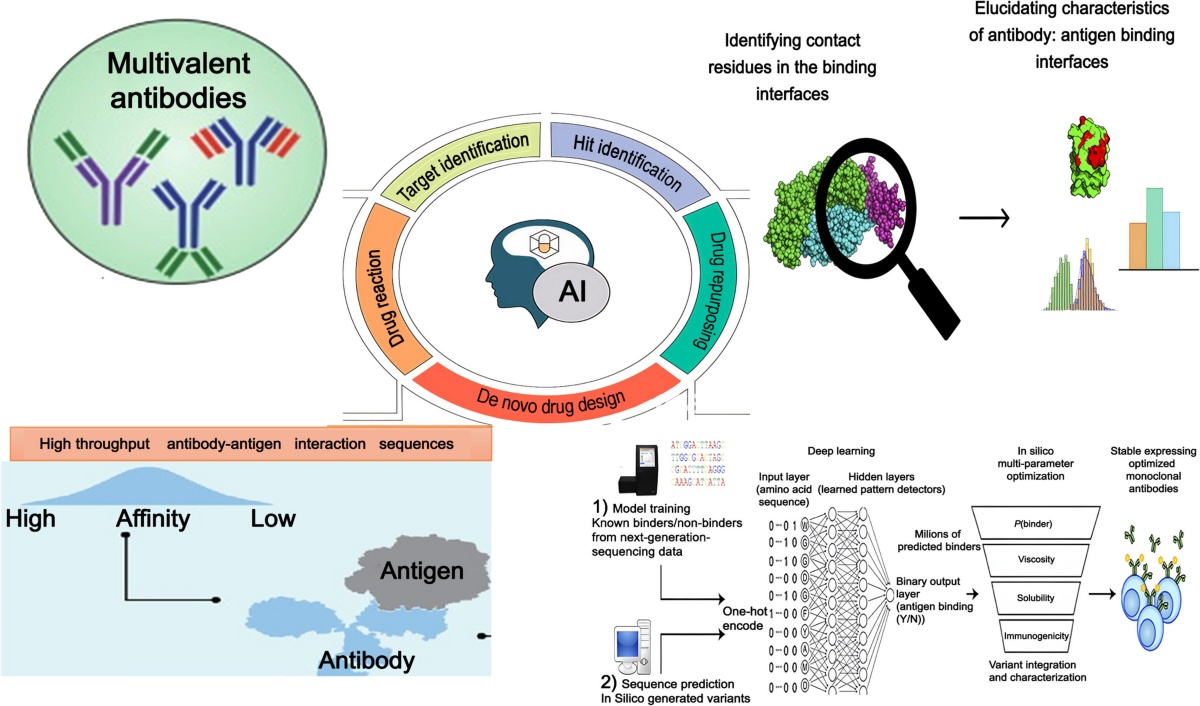
The therapeutic antibody landscape has expanded rapidly, with monoclonal antibodies (mAbs) established as a dominant class of biologics across oncology, autoimmune, and infectious diseases. At the same time, the number of investigational antibody candidates continues to increase, placing pressure on development pipelines to deliver candidates efficiently.
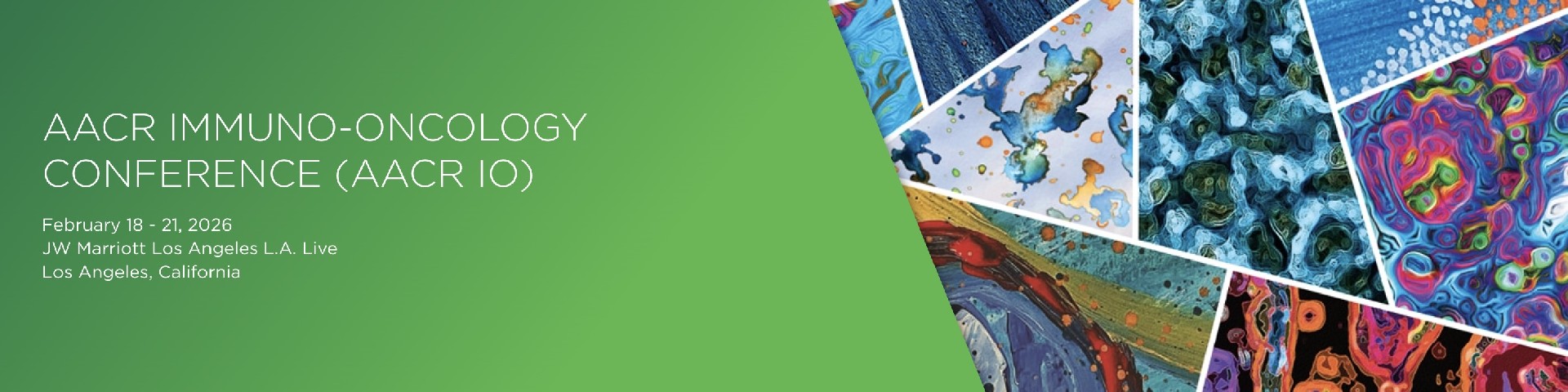
AACR Immuno-Oncology Conference (AACR IO) 2026 was held in Los Angeles from February 18-21. The conference featured talks on basic, translational, and clinical research in immunology, inflammation, and immunotherapies for cancer, with 600+ scientists in attendance.
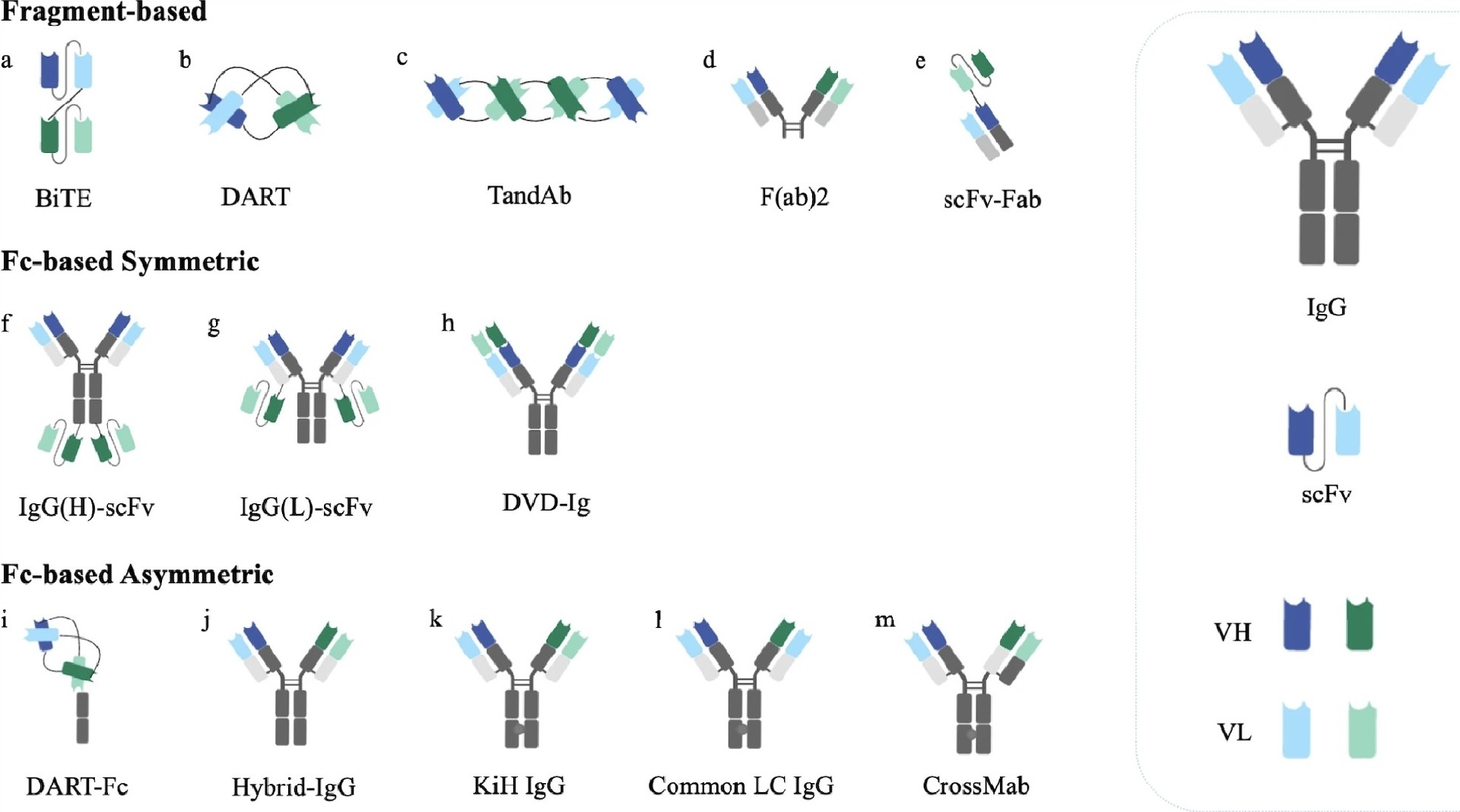
Bispecific antibodies (bsAbs) are engineered molecules capable of simultaneously binding two distinct antigens or epitopes. This property enables mechanisms of action not achievable with conventional monoclonal antibodies, including immune cell redirection, dual pathway inhibition, and targeted payload delivery. As a result, bsAbs have become a major focus in therapeutic antibody development, particularly in oncology.
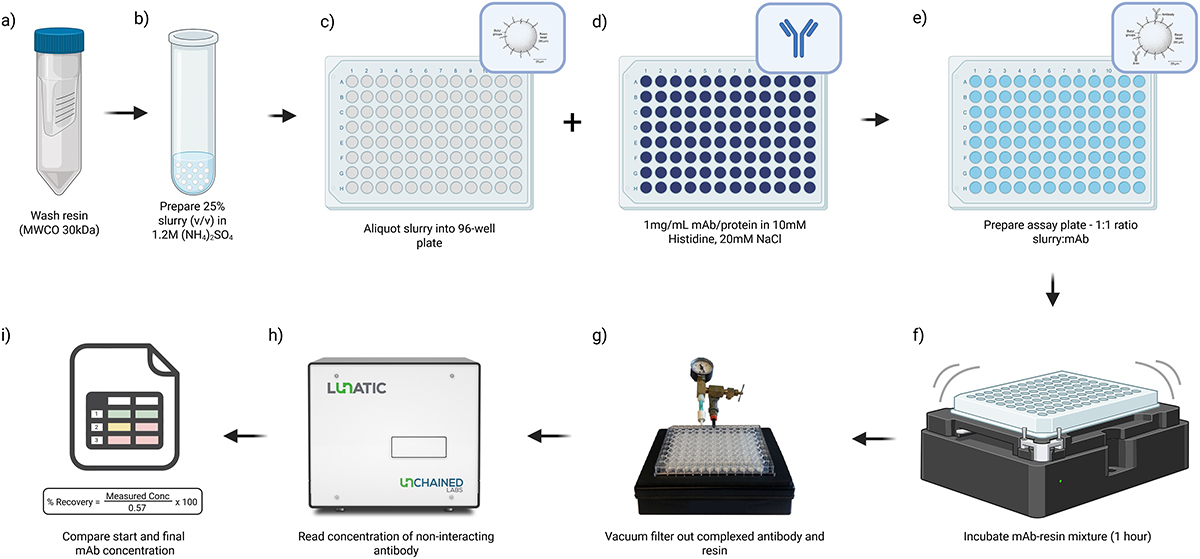
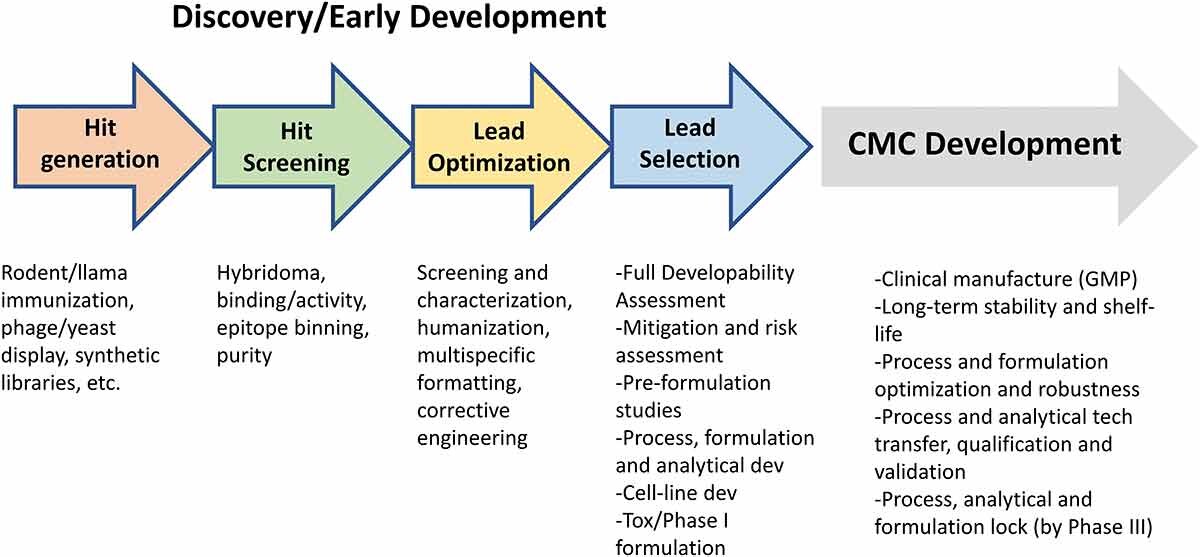
Developability refers to the likelihood that an antibody candidate can be successfully advanced into a manufacturable, safe, and efficacious therapeutic product. It encompasses properties that enable progression through chemistry, manufacturing, and control (CMC) processes within acceptable cost and timeline constraints.